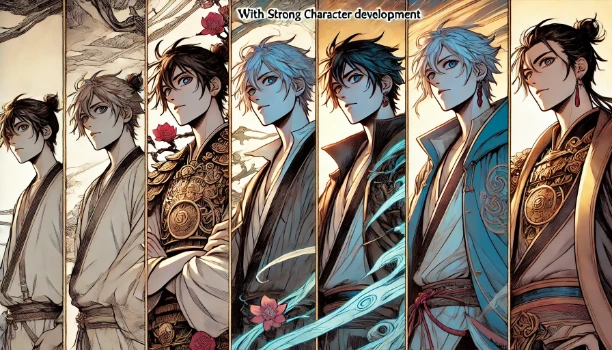
Character work in manhua usually gets welded to the power system, so getting stronger stands in for changing as a person. This page covers the series that separate the two, plus the ones that handle male leads, comedy and romance without falling into the defaults.
On this page
Character development
In manhua, character development is usually welded to the power system: the lead changes as they climb. That is the trap. Getting stronger is not the same as becoming someone different, and only some series notice the difference.
Manhua with a strong sense of character development takes center stage, inviting readers to explore a gripping world where characters evolve, grow, and leave a lasting impression. The art of character development in manhua is a fascinating journey, where intricate narratives weave together compelling backstories, motivations, and relationships.
This exploration looks at the various techniques employed to craft memorable characters that resonate deeply with readers, enhancing the emotional impact and overall enjoyment of the story.
From overcoming challenges and personal growth to redemption arcs and intricate relationships, the diverse forms of character development in manhua offer a unique and enriching experience. This article dissects the key elements that contribute to strong character development, showcasing how skillful storytelling and character portrayal elevate the manhua experience to new heights.
Defining “Strong Character Development” in Manhua
Character development is a crucial aspect of any compelling narrative, and manhua, with its diverse genres and gripping stories, often features characters that undergo significant transformations. Strong character development in manhua involves a multifaceted approach that goes beyond superficial changes and looks at the complexities of a character’s inner world, motivations, and relationships.
Character Growth and Internal Transformation
Internal growth is a cornerstone of compelling character development. It involves a character’s journey of self-discovery, where they confront their flaws, overcome obstacles, and ultimately evolve as individuals. This growth can manifest in various ways, such as:
- Overcoming Past Trauma:Characters may grapple with past experiences that have shaped their beliefs and actions. Through confronting their trauma, they gain a deeper understanding of themselves and learn to move forward. For example, in “The Scum Villain’s Self-Saving System,” the protagonist, Shen Qingqiu, faces the consequences of his past actions and learns to embrace his true self.
- Developing New Skills and Abilities:Characters may acquire new skills or abilities that not only enhance their physical prowess but also alter their perspectives and approaches to life. This can be seen in “The King’s Avatar,” where the protagonist, Ye Xiu, develops his gaming skills and leadership qualities, becoming a respected figure in the virtual world.
- Shifting Values and Beliefs:Characters may undergo a transformation in their values and beliefs, leading to a change in their behavior and priorities. This often occurs through encounters with other characters, challenging situations, or profound life experiences. For example, in “Tower of God,” the protagonist, Bam, experiences a significant shift in his worldview as he navigates the perilous Tower and encounters various individuals with different motivations and ideologies.
Character Motivation and Backstory
Understanding a character’s motivations and backstory is essential for creating a compelling and relatable character. This involves exploring the reasons behind their actions, their past experiences, and the factors that have shaped their personality.
- Driven by Personal Goals:Characters may be driven by personal goals that they strive to achieve, whether it’s seeking revenge, protecting loved ones, or pursuing a dream. These goals provide a sense of purpose and direction to their actions, making their journey more engaging for the reader.
For instance, in “The Legend of the Condor Heroes,” the protagonist, Guo Jing, is driven by his desire to avenge his parents and protect his homeland.
- Shaped by Past Events:A character’s past experiences can significantly influence their present actions and decisions. Understanding their backstory allows the reader to empathize with their struggles and appreciate the choices they make. In “The Great Doctor,” the protagonist, Hua Tuo, is motivated by his desire to alleviate suffering after witnessing the death of his loved ones due to illness.
- Internal Conflicts and Dilemmas:Characters may face internal conflicts and dilemmas that challenge their beliefs and values. These struggles add depth and complexity to their character arc, making them more believable and relatable. In “The King’s Avatar,” the protagonist, Ye Xiu, faces the dilemma of balancing his passion for gaming with the expectations of his family and society.
Character Relationships and Interactions
Relationships play a vital role in character development, as they provide opportunities for growth, conflict, and emotional connection.
- Influence of Others:Characters are often influenced by the people they interact with, whether it’s through mentorship, rivalry, or love. These relationships can challenge their perspectives, push them to grow, or even lead them astray. For example, in “The Legend of the Condor Heroes,” the protagonist, Guo Jing, is influenced by his mentors, the Seven Heroes of the North, who instill in him a sense of justice and loyalty.
- Conflicts and Resolutions:Conflicts with other characters can reveal a character’s true nature, their weaknesses, and their strengths. The resolution of these conflicts can lead to personal growth, forgiveness, or even deeper understanding. In “The Great Doctor,” the protagonist, Hua Tuo, faces conflicts with rival doctors, which challenge his beliefs and force him to confront his own limitations.
- Emotional Connections:The emotional connections characters develop with each other can create powerful moments of vulnerability, empathy, and shared experiences. These connections can inspire them to act in selfless ways, make sacrifices, or even confront their own fears. For example, in “The King’s Avatar,” the protagonist, Ye Xiu, forms deep bonds with his teammates, which motivates them to work together and achieve their goals.
Exploring Different Types of Character Development
Character development is a crucial element in manhua, adding depth and complexity to the narrative and gripping readers with relatable and engaging characters. By observing how characters evolve and transform, readers gain insights into human nature, motivations, and the challenges of personal growth.Exploring the various types of character development commonly seen in manhua provides a deeper understanding of the creative choices made by authors and the impact these choices have on the story and its characters.
Overcoming Challenges
This type of character development focuses on the protagonist’s journey of overcoming obstacles and achieving personal growth. The challenges they face can be internal, such as overcoming self-doubt or fear, or external, such as facing a powerful enemy or a difficult situation.
Through these trials, the protagonist learns valuable lessons, develops new skills, and emerges stronger and more resilient.For instance, in the manhua “The King’s Avatar,” the protagonist, Ye Xiu, faces the challenge of rebuilding his career after being forced out of his professional gaming team.
He overcomes this obstacle through sheer determination, hard work, and a deep understanding of the game. Ye Xiu’s journey inspires readers with its message of perseverance and the power of passion.
Personal Growth
This type of character development focuses on the protagonist’s internal transformation, often driven by a significant event or realization. The protagonist may undergo a change in perspective, values, or beliefs, leading to a deeper understanding of themselves and the world around them.In “The Scum Villain’s Self-Saving System,” the protagonist, Shen Qingqiu, begins as a cynical and self-absorbed character.
However, through his interactions with the other characters and his own experiences, he undergoes a profound personal growth journey. He learns to empathize with others, embrace his flaws, and ultimately finds redemption.
Relationships
This type of character development focuses on the protagonist’s relationships with other characters and how these relationships influence their growth and transformation. Through interactions with loved ones, friends, rivals, or enemies, the protagonist gains new insights, learns valuable lessons, and develops a deeper understanding of human connection.In “Mo Dao Zu Shi,” the protagonist, Wei Wuxian, forms a deep bond with his close friend, Lan Wangji.
Their relationship is characterized by mutual respect, unwavering loyalty, and a shared understanding of each other’s strengths and weaknesses. Through their journey together, they both experience significant personal growth and learn the true meaning of friendship and love.
Redemption Arcs
This type of character development focuses on the protagonist’s journey of atoning for past mistakes and seeking redemption. The protagonist may have committed a grave sin or made a series of poor choices, leading to guilt, remorse, and a desire to make amends.
Through their journey of redemption, they confront their past, learn from their mistakes, and ultimately strive to become a better person.In “The Untamed,” the protagonist, Wei Wuxian, is initially portrayed as a rebellious and mischievous character. However, his actions ultimately lead to tragedy and loss, forcing him to confront his past and seek redemption.
His journey of atonement is both emotionally challenging and deeply rewarding, highlighting the power of forgiveness and the importance of second chances.
Techniques for Effective Character Development
Manhua, with its rich visual storytelling and engaging narratives, often employs a variety of techniques to bring characters to life and make them relatable to readers. Strong character development goes beyond mere aesthetics and involves a deep exploration of their motivations, flaws, and growth.
Internal Monologues and Flashbacks
Internal monologues offer a window into a character’s thoughts and feelings, revealing their inner struggles, desires, and past experiences. They provide valuable insights into their motivations and how they perceive the world. Flashbacks, on the other hand, serve to illuminate a character’s past, often revealing crucial events that shaped their present personality and choices.
“Internal monologues and flashbacks allow readers to understand the character’s motivations and backstory, adding depth and complexity to their personality.”
For example, in “The King’s Avatar,” the protagonist, Ye Xiu, is shown through his internal monologues to be a passionate gamer who struggles with the pressure of professional gaming. Flashbacks reveal his journey as a legendary player and the reasons behind his retirement, adding depth to his character and making his comeback more impactful.
Dialogue and Interactions with Other Characters
Dialogue plays a crucial role in character development, revealing their personality traits, relationships with others, and their communication styles. Interactions with other characters can highlight a character’s strengths and weaknesses, their values, and how they react to different situations.
“Dialogue and interactions with other characters reveal a character’s personality, values, and relationships, shaping their development.”
Manhua with a strong sense of character development often look at the complexities of their protagonists, exploring their motivations, flaws, and growth over time. This depth can be further enhanced by a good balance of action and romance, adding another layer to the characters’ journeys.
For those seeking such a blend, a great resource is Manhua with a good balance of action and romance , which features a curated list of titles that deliver on both fronts. By combining compelling character arcs with thrilling action and heartfelt romance, these manhua create absorbing experiences that leave a lasting impression on readers.
In “The Scum Villain’s Self-Saving System,” the protagonist, Shen Qingqiu, uses his sarcastic wit and manipulative tactics in his interactions with other characters, highlighting his complex personality and his struggles with his past. These interactions reveal his growth as he learns to embrace his emotions and connect with others in a more genuine way.
Reactions to External Events and Challenges
How a character reacts to external events and challenges is a significant indicator of their growth and development. Facing adversity, overcoming obstacles, and adapting to new circumstances can lead to profound changes in a character’s outlook and personality.
“A character’s response to external events and challenges reveals their resilience, adaptability, and potential for growth.”
In “Tower of God,” the protagonist, Bam, undergoes significant development as he navigates the perilous Tower and faces increasingly challenging trials. His initial naivety and reliance on others gradually transform into strength, determination, and a deeper understanding of himself and his purpose.
Thematic Exploration and Symbolism
Manhua often incorporates thematic exploration and symbolism to enhance character development. Thematic elements, such as love, betrayal, redemption, and sacrifice, provide a framework for understanding a character’s journey and their growth. Symbolism, through visual elements or recurring motifs, can represent a character’s inner state or their transformation.
“Thematic exploration and symbolism enrich character development by providing deeper meaning and highlighting the character’s internal journey.”
In “Hitori no Shita: The Outcast,” the protagonist, Zhang Chulan, grapples with his identity and the secrets of his past. The story’s exploration of themes like family, destiny, and the acceptance of one’s true self enhances his character development. The recurring motif of the “outcast” symbolizes Zhang Chulan’s journey to embrace his unique abilities and find his place in the world.
Table of Techniques for Effective Character Development
| Technique | Impact on Character Development | Manhua Example |
|---|---|---|
| Internal Monologues and Flashbacks | Reveals inner thoughts, motivations, and past experiences, adding depth and complexity. | “The King’s Avatar” (Ye Xiu’s internal monologues and flashbacks about his past as a legendary gamer) |
| Dialogue and Interactions with Other Characters | Highlights personality traits, relationships, communication styles, and potential for growth. | “The Scum Villain’s Self-Saving System” (Shen Qingqiu’s interactions with other characters reveal his complex personality and growth) |
| Reactions to External Events and Challenges | Shows resilience, adaptability, and potential for growth through adversity and obstacles. | “Tower of God” (Bam’s journey through the Tower and his response to challenges) |
| Thematic Exploration and Symbolism | Provides deeper meaning and highlights the character’s internal journey through themes and symbolism. | “Hitori no Shita: The Outcast” (Exploration of themes like family, destiny, and symbolism of the “outcast”) |
The Importance of Backstory and Motivation: Manhua With A Strong Sense Of Character Development
A character’s backstory is the foundation upon which their personality, motivations, and actions are built. It provides context for their choices and sheds light on the experiences that have shaped them. A well-developed backstory is crucial for creating believable and engaging characters in manhua.Backstory adds depth and complexity to a character, making them more than just a flat archetype.
It allows readers to understand their motivations and empathize with their struggles. By understanding a character’s past, readers can better comprehend their current actions and decisions.
Examples of Effective Backstories in Manhua
Backstories effectively contribute to the understanding and emotional connection with characters in many manhua. For instance, in the popular manhua “The King’s Avatar,” the protagonist, Ye Xiu, is a retired professional gamer who returns to the game he once dominated.
His backstory reveals his passion for the game, his dedication to his team, and the challenges he faced in his previous career. This backstory helps readers understand his motivations for returning to the game and his determination to reclaim his former glory.Another example is the manhua “The Scum Villain’s Self-Saving System,” where the protagonist, Shen Qingqiu, is a transmigrated teacher who finds himself in a cultivation novel.
His backstory reveals his struggles with loneliness and his desire to find meaning in his life. This backstory adds depth to his character and explains his willingness to help the main character, even though it puts him in danger.
How a Well-Developed Backstory Enhances Character Development
A well-developed backstory can enhance the impact of character development by providing a framework for their growth and transformation. It allows readers to see how the character has changed over time and how their past experiences have influenced their present actions.For example, in the manhua “Tower of God,” the protagonist, Bam, is an orphan who has lived his entire life in a secluded tower.
His backstory reveals his innocence, naivety, and desire to see the outside world. As Bam travels through the tower and faces various challenges, his character develops, becoming more mature, resourceful, and determined. His backstory provides a clear starting point for his growth, allowing readers to see how far he has come.A well-developed backstory can also create a deeper sense of realism.
By grounding a character in a specific time and place, their actions and motivations become more believable. For example, in the manhua “The Great Doctor,” the protagonist, Li Shizhen, is a renowned physician who lived during the Ming Dynasty. His backstory reveals the social and political climate of the time, which influences his decisions and actions.
This historical context makes his character feel more real and relatable.
Character Growth and Transformation
Character growth and transformation are essential elements in manhua, enriching the narrative and creating compelling characters that resonate with readers. This dynamic process involves characters evolving and changing throughout the story, driven by various internal and external factors. Witnessing characters overcome challenges, learn from their experiences, and ultimately become better versions of themselves is a gripping aspect of storytelling that fosters emotional engagement.
Character Development in Manhua, Manhua with a strong sense of character development
Character development in manhua often follows a pattern of growth and transformation, where characters face adversity, make crucial decisions, and learn from their experiences. This journey can involve a shift in personality, values, beliefs, or even physical abilities. The driving force behind these changes can be internal motivations, such as a desire for redemption or a quest for self-discovery, or external pressures, such as societal expectations or challenging circumstances.
- Internal Motivations:Characters driven by internal motivations often start journeys of self-discovery and growth. They may strive to overcome personal flaws, confront their past, or find their true purpose in life. Examples include:
- “The King’s Avatar”:Ye Xiu, the protagonist, faces a decline in his gaming career but rediscovers his passion and eventually achieves greatness through sheer determination and unwavering dedication.
- “The Great Ruler”:Mu Chen, driven by a desire to avenge his family and protect those he cares about, undergoes rigorous training and battles against powerful enemies, ultimately becoming a formidable ruler.
- External Pressures:Characters facing external pressures often adapt to their environment and learn to navigate challenging situations. These pressures can range from societal expectations to political conflicts or even supernatural forces. Examples include:
- “The Breaker”:Shi-woon, initially a timid and bullied student, transforms into a formidable martial artist after encountering a powerful organization and facing threats to his loved ones.
- “Tower of God”:Bam, a naive and innocent boy, is thrust into a dangerous and competitive world, where he learns to survive, adapt, and overcome obstacles to achieve his goals.
Impact of Character Growth on the Plot
Character growth is not merely a stylistic choice; it significantly impacts the plot and drives the narrative forward. It creates conflict, introduces new challenges, and ultimately leads to a satisfying resolution.
- Conflict and Tension:As characters evolve, their actions and decisions create conflict and tension, driving the plot forward. This conflict can arise from internal struggles, clashes with other characters, or opposition to external forces.
- Dynamic Narrative:Character growth adds depth and dynamism to the narrative.
It prevents the story from becoming predictable or stagnant, as characters’ evolving perspectives and motivations introduce new twists and turns.
- Themes and Meaning:Character growth often explores themes of redemption, self-discovery, and overcoming adversity. The journey of transformation provides a platform to convey deeper messages and explore the complexities of human nature.
Character Relationships and Development

Character relationships are an integral part of character development in manhua, acting as catalysts for growth, transformation, and the exploration of complex emotions. These interactions often serve as a mirror, reflecting the characters’ inner struggles and pushing them to confront their flaws and embrace change.
Impact of Relationships on Character Development
Relationships play a crucial role in shaping character development by providing opportunities for characters to learn, grow, and change. Through interactions with other characters, individuals can gain new perspectives, confront their flaws, and develop empathy and understanding.
- Conflict and Resolution:Relationships often create conflict, forcing characters to confront their own limitations and biases. The process of resolving these conflicts can lead to personal growth and a deeper understanding of themselves and others.
- Support and Encouragement:Positive relationships can provide characters with the support and encouragement they need to overcome challenges and pursue their goals. These relationships can offer a sense of belonging, validation, and motivation, fostering self-belief and resilience.
- Learning and Growth:Interactions with diverse characters can expose individuals to different viewpoints, values, and experiences. This exposure can challenge their preconceived notions, broaden their understanding of the world, and lead to personal growth.
Examples of Character Relationships in Manhua
- “The Untamed” (Mo Dao Zu Shi):The complex and evolving relationship between Wei Wuxian and Lan Wangji is a prime example of how relationships can drive character development. Their initial antagonism gradually transforms into a deep bond of friendship, love, and mutual respect. This dynamic pushes both characters to confront their flaws, embrace their vulnerabilities, and ultimately find redemption.
- “Heaven Official’s Blessing” (Tian Guan Ci Fu):The relationship between Xie Lian and Hua Cheng is a poignant example of how relationships can provide support and encouragement. Hua Cheng’s unwavering faith in Xie Lian, despite his past failures, helps him rediscover his purpose and embrace his true potential.
Their relationship shows the transformative power of love and acceptance.
- “Scum Villain’s Self-Saving System” (Scum Villain’s Self-Saving System):This manhua explores the impact of past relationships on present-day actions. Shen Qingqiu’s strained relationship with his former master and the betrayal he experienced shape his cynical and guarded personality. His journey to heal from past trauma and build healthier relationships shows the importance of forgiveness and self-acceptance.
Complexity and Depth in the Narrative
Character relationships contribute to the overall complexity and depth of the narrative by creating layers of meaning and enriching the emotional landscape. These interactions can introduce conflict, tension, and suspense, while also providing moments of tenderness, humor, and hope.
- Emotional Resonance:Complex relationships evoke strong emotions in readers, making the narrative more engaging and relatable. The characters’ struggles, triumphs, and sacrifices resonate with readers on a personal level, creating a deeper connection to the story.
- Multifaceted Characters:Relationships reveal the multifaceted nature of characters, showcasing their strengths, weaknesses, and complexities. This nuanced portrayal creates more believable and relatable characters, adding depth and richness to the narrative.
- Themes and Motifs:Character relationships often serve as vehicles for exploring broader themes and motifs, such as love, betrayal, forgiveness, and redemption. These themes add layers of meaning to the story, prompting readers to reflect on universal human experiences.
Character Development in Different Genres

Character development is a crucial aspect of any compelling narrative, and the genre of a manhua significantly influences how characters evolve and change. Exploring the unique approaches to character development in different genres provides valuable insights into the narrative dynamics and audience expectations.
Character Development in Romance Manhua
Romance manhua often focuses on the development of romantic relationships between characters. Character development is closely tied to the evolution of these relationships, as characters learn, grow, and change through their interactions with their romantic partners. The emphasis is often on emotional growth, self-discovery, and the challenges of navigating complex relationships.
- Internal Conflicts:Characters often grapple with internal conflicts related to love, trust, and commitment. These conflicts can drive their character arcs, as they learn to overcome their insecurities and embrace their feelings.
- Relationship Dynamics:The dynamic between romantic partners is central to the narrative, and character development is often driven by how characters adapt and evolve within this dynamic. This can involve overcoming misunderstandings, learning to compromise, and supporting each other’s growth.
- Character Transformation:Characters often undergo significant transformations as they navigate their relationships. This can involve shedding past baggage, developing self-confidence, and learning to prioritize their own happiness.
Character Development in Action Manhua
Action manhua typically features characters with exceptional abilities and skills, often involved in intense battles and conflicts. Character development in this genre focuses on the physical and mental growth of characters as they face challenges and overcome obstacles.
- Physical Prowess:Characters often demonstrate remarkable physical abilities, and their development involves honing these skills through rigorous training and combat experience. This can involve mastering new techniques, enhancing their strength and agility, and developing a deeper understanding of their abilities.
- Mental Fortitude:Action characters often face intense pressure and adversity, requiring them to develop mental resilience and strategic thinking. They may learn to control their emotions, make quick decisions under pressure, and adapt to unexpected situations.
- Character Relationships:Relationships in action manhua often play a significant role in character development. Characters may learn from mentors, forge strong bonds with allies, or confront rivals who challenge their beliefs and motivations.
Character Development in Fantasy Manhua
Fantasy manhua often features characters who inhabit magical worlds, possess supernatural powers, and start epic adventures. Character development in this genre can involve the exploration of magical abilities, the discovery of hidden powers, and the growth of characters’ understanding of their place in the world.
- Magical Abilities:Characters often develop and refine their magical abilities throughout the narrative. This can involve mastering new spells, discovering hidden potential, and understanding the complexities of their powers.
- World Building:The fantastical settings of fantasy manhua provide unique opportunities for character development. Characters may learn about the history, culture, and mythology of their world, which shapes their beliefs and values.
- Moral Dilemmas:Fantasy characters often face complex moral dilemmas that challenge their beliefs and test their integrity. These dilemmas can drive character development as characters learn to navigate ethical complexities and make difficult choices.
Character Development in Historical Fiction Manhua
Historical fiction manhua often features characters who live in specific historical periods, experiencing the challenges and opportunities of their time. Character development in this genre is often tied to the historical context, as characters navigate social norms, political upheaval, and personal struggles.
- Historical Context:Characters are shaped by the historical events and social structures of their time. Their development may involve learning to adapt to changing circumstances, challenging existing norms, or fighting for social justice.
- Character Relationships:Relationships in historical fiction manhua often reflect the social dynamics of the time. Characters may form alliances, navigate complex family dynamics, or challenge traditional power structures.
- Personal Growth:Characters often undergo personal growth as they navigate the challenges of their time. This can involve developing resilience, learning to compromise, or embracing new opportunities.
The Impact of Strong Character Development
Strong character development is the backbone of any compelling story, and manhua is no exception. When characters feel real, their journeys resonate with readers on a deeper level, enhancing the overall enjoyment and emotional impact of the narrative. Well-developed characters contribute to a more absorbing reading experience.
Readers become invested in their struggles, triumphs, and relationships, making the story feel more personal and relatable.
Enhanced Reader Engagement
Strong character development fosters a sense of connection between the reader and the characters. When characters are relatable, their actions and motivations feel genuine, prompting readers to question their own values and perspectives. This connection encourages active participation in the story, as readers anticipate character development and root for their success.
Creating a Sense of Realism
Manhua with well-developed characters feel more realistic, even in fantastical settings. Complex personalities, internal conflicts, and nuanced interactions contribute to a believable world. Readers are more likely to be holdd by a story that feels grounded, even if it features supernatural elements or improbable situations.
Leaving a Lasting Impression
Memorable characters leave a lasting impression on readers, long after they finish the story. Their journeys, lessons learned, and impact on the narrative continue to resonate, prompting reflection and discussion. These characters become more than just fictional beings; they become part of the reader’s personal experience, influencing their perspectives and understanding of the world.
The short version

Ultimately, the power of strong character development in manhua lies in its ability to create a profound connection between the reader and the story. By looking at the depths of characters’ motivations, struggles, and triumphs, readers are invited to start an emotional journey that resonates long after the final page is turned.
The art of character development in manhua shows the enduring power of storytelling, reminding us that the most compelling narratives are often those that allow us to witness the transformative power of human connection and growth.
Questions people ask
What are some popular manhua with strong character development?
Some popular manhua with strong character development include “The King’s Avatar,” “Mo Dao Zu Shi,” and “Heaven Official’s Blessing.” These stories feature complex characters who undergo significant transformations, leaving a lasting impact on readers.
How can I tell if a manhua has strong character development?
Look for characters who have clear motivations, face internal conflicts, and undergo meaningful changes throughout the story. Strong character development is evident in how characters interact with each other, react to challenges, and evolve as individuals.
What is the difference between character development in manhua and other genres?
While character development is essential in all forms of storytelling, manhua often features a more dynamic and visually driven approach. The use of expressive art styles and unique storytelling techniques contribute to the depth and impact of character development in manhua.
Male leads who are not tsundere
The cold-then-warm male lead is the default in this genre, to the point where his rudeness is treated as characterisation. These series do something else with him.
Manhua with a male lead who is not a typical tsundere offers a refreshing departure from the familiar trope. While the tsundere archetype, with its blend of aloofness and affection, has captured the hearts of many readers, there’s a growing appreciation for male leads who embrace alternative personalities. These characters often bring a unique narrative dynamic, adding depth and complexity. Exploring the world of non-tsundere male leads unveils a spectrum of gripping personalities. From stoic and reserved figures who exude aura of mystery to charming and playful characters who effortlessly win hearts, these male leads offer diverse interactions and relationships with the female lead. Their distinct traits contribute to the overall narrative, shaping the romantic dynamics and themes explored in the manhua.Male Leads Beyond the Tsundere Trope: Manhua With A Male Lead Who Is Not A Typical Tsundere
The “tsundere” trope is a popular archetype in manhua. It often features a male lead who is initially cold and hostile but eventually reveals a softer side. While this trope can be entertaining, it is important to explore other personality types that can create equally compelling and diverse male leads.Defining the Tsundere Trope
The term “tsundere” originates from Japanese culture and describes a character who alternates between aggressiveness and kindness. In manhua, tsundere male leads are typically depicted as aloof, arrogant, or even abusive, but they often have a hidden vulnerability or a strong sense of loyalty.Common Characteristics of Tsundere Male Leads
- Initial hostility: They often exhibit coldness, indifference, or even outright aggression towards the female lead.
- Hidden vulnerability: Despite their tough exterior, they often have a hidden soft spot or a tragic past that explains their behavior.
- Overprotective tendencies: They may fiercely protect the female lead, even if they don’t always show it openly.
- Awkward displays of affection:When they do express their feelings, it can be in a clumsy or even embarrassing way.
Alternative Personality Types for Male Leads
While tsundere male leads are popular, manhua offers a range of alternative personality types that can be just as gripping. These alternative personalities provide a refreshing change of pace and offer a broader spectrum of character development.The Stoic Male Lead, Manhua with a male lead who is not a typical tsundere
The stoic male lead is often characterized by his quiet demeanor and reserved nature. He may be emotionally distant, but he possesses a strong sense of duty and unwavering loyalty. He doesn’t easily express his feelings, but his actions speak louder than words. Examples of stoic male leads in manhua include:- Lan Wangji from “Mo Dao Zu Shi”: A powerful cultivator who is known for his stoicism and unwavering loyalty to his friends and family.
- Li Jing from “Tian Guan Ci Fu“:A general who is known for his stoicism and dedication to his duties.
The Gentle and Caring Male Lead
This type of male lead is kind and compassionate and often acts as a source of comfort and support for the female lead. Although he may be less physically imposing than the tsundere archetype, he possesses a strength of character that is just as powerful. Examples of gentle and caring male leads in manhua include:- Xie Lian from “Tian Guan Ci Fu”:A kind and compassionate god who is always willing to help those in need.
- Wei Wuxian from “Mo Dao Zu Shi”:A charismatic and playful cultivator who is always willing to lend a helping hand to his friends and family.
The Playful and Charismatic Male Lead
This type of male lead is charming, witty, and often has a playful demeanor. He can be a bit of a flirt, but he ultimately has a genuine affection for the female lead. He may not always take things seriously, but he possesses a strong sense of loyalty and a good heart. Looking for a manhua with a male lead who isn’t your typical tsundere? You might enjoy exploring titles that offer a good balance of action and romance. Check out this list of recommendations for Manhua with a good balance of action and romance to discover stories that combine thrilling battles with heartwarming relationships. You’ll find diverse characters and compelling narratives that go beyond the standard tsundere trope. Examples of playful and charismatic male leads in manhua include:- Hua Cheng from “Tian Guan Ci Fu”:A powerful and charismatic demon who is known for his playful demeanor and unwavering loyalty to Xie Lian.
- Jiang Cheng from “Mo Dao Zu Shi”:A strong and loyal cultivator who is known for his playful banter and fierce protectiveness of his loved ones.
Examples of Non-Tsundere Male Leads
While the tsundere trope is popular in many genres, including manhua, it’s refreshing to encounter male leads with unique and nuanced personalities. These characters defy the typical “grumpy but secretly caring” archetype and offer a diverse range of personalities, adding depth and complexity to the narratives.Stoic and Reserved Male Leads
Stoic and reserved male leads are often portrayed as calm, collected, and emotionally guarded. They might be introspective and prefer solitude, finding solace in their own thoughts and actions. These characters often have a strong sense of responsibility and a deep-seated sense of justice.- “The King’s Avatar” (全职高手): Ye Xiu, the protagonist, is a renowned gamer who maintains a calm and collected demeanor even in the face of intense competition. He is dedicated to his craft and possesses a deep understanding of the game’s mechanics. While he may appear distant, he demonstrates genuine care for his teammates and is always willing to lend a helping hand.
- “Mo Dao Zu Shi” (魔道祖师): Lan Wangji, one of the main characters, is known for his stoic and reserved personality. He is highly disciplined, adhering to strict rules and maintaining a composed demeanor. Despite his seemingly cold exterior, he possesses a deep sense of loyalty and compassion, particularly towards Wei Wuxian, the other main character.
Charming and Playful Male Leads
Charming and playful male leads are often charismatic and witty, bringing a sense of lightheartedness and humor to the story. They might use their charm to disarm others and often have a playful demeanor, enjoying teasing and flirting. However, their playful nature doesn’t necessarily negate their seriousness or commitment to their loved ones.- “The Scum Villain’s Self-Saving System” (反派自救系统): Shen Qingqiu, the protagonist, is a charismatic and playful character who uses humor and wit to navigate the challenges of his situation. Despite his playful nature, he is fiercely loyal to his friends and possesses a deep understanding of human nature.He expresses affection through teasing and playful banter, creating a dynamic and entertaining relationship with the other characters.
- “Grandmaster of Demonic Cultivation” (魔道祖师): Wei Wuxian, one of the main characters, is known for his playful and mischievous personality. He is charismatic and outgoing, often using his charm and humor to lighten the mood. Despite his playful nature, he is deeply loyal to his friends and possesses a strong sense of justice.
Kind and Compassionate Male Leads
Kind and compassionate male leads are often empathetic and selfless, driven by a desire to help others. They might possess a gentle nature and a deep understanding of human emotions, making them approachable and comforting figures. Their compassion often manifests in their actions, as they go to great lengths to support those they care about.- “Heaven Official’s Blessing” (天官赐福): Xie Lian, the protagonist, is a kind and compassionate character who has spent centuries helping others. He is selfless and forgiving, always willing to extend a helping hand to those in need. His compassion and empathy form the core of his character, making him a beloved figure in the story.
- “The Untamed” (陈情令): Lan Wangji, one of the main characters, demonstrates a deep sense of compassion and empathy. Despite his stoic demeanor, he is deeply affected by the suffering of others and is willing to go to great lengths to help those he cares about.His compassion is a defining aspect of his character, contributing to his complex and nuanced personality.
Strong and Assertive Male Leads
Strong and assertive male leads often possess a commanding presence and a strong sense of leadership. They are confident in their abilities and are not afraid to take charge in difficult situations. These characters are often decisive and decisive, knowing what needs to be done and taking action to achieve their goals.- “The Strongest Abandoned Son” (最强弃少): Ye Chen, the protagonist, is a strong and assertive character who has overcome adversity to become a powerful figure. He is decisive and confident in his abilities, taking charge in difficult situations and inspiring those around him. Despite his strength, he is also deeply compassionate and protective of those he cares about.
- “Martial God Asura” (武神阿修罗): Chu Feng, the protagonist, is a strong and assertive character who has risen through the ranks of the martial world. He is determined and resilient, overcoming countless obstacles to achieve his goals. His leadership qualities and unwavering resolve make him a powerful and inspiring figure.
The Impact of Non-Tsundere Male Leads on the Story
The absence of the tsundere trope in manhua can significantly alter the narrative flow, character development, and overall themes explored. While the tsundere archetype often relies on conflict and tension to fuel the romance, non-tsundere male leads introduce a different dynamic, fostering a more grounded and relatable approach to love and relationships.The Influence of Male Lead Personality on Romantic Relationships
The personality of a non-tsundere male lead directly influences the development of the romantic relationship. These characters often exhibit traits like kindness, understanding, and emotional intelligence, fostering a more natural and healthy progression of the relationship. For example, a male lead who is patient and supportive might encourage the female lead’s personal growth, while a male lead who is witty and playful might bring a sense of lightheartedness and joy to the dynamic. This shift away from the typical tsundere’s outward hostility and internal conflict allows for a more realistic portrayal of love and companionship.The Impact of Male Lead Personality on Female Lead Development
The male lead’s personality also significantly shapes the female lead’s development. A non-tsundere male lead often acts as a positive influence, encouraging the female lead’s growth and self-discovery. In contrast to the tsundere’s tendency to push the female lead into a more subservient role, a non-tsundere male lead might empower the female lead to pursue her dreams and aspirations. This dynamic fosters a more balanced and empowering relationship where both characters contribute to each other’s growth.The Role of Male Lead Personality in Exploring Themes
The personality of the male lead can also contribute to the exploration of broader themes in the manhua. For example, a male lead who is compassionate and understanding might highlight the importance of empathy and social responsibility. A male lead who is courageous and determined might explore themes of perseverance and overcoming adversity. By stepping away from the tsundere archetype, manhua creators can look at a wider range of themes and messages, enriching the overall narrative and resonating with a broader audience.Exploring the Appeal of Non-Tsundere Male Leads
 The rise of non-tsundere male leads in manhua has holdd readers, offering a refreshing alternative to the classic trope. Their unique characteristics and interactions with female leads create compelling narratives that resonate with audiences seeking different dynamics in their stories.
The Appeal of Non-Tsundere Male Leads
Non-tsundere male leads are appealing for a variety of reasons. Readers appreciate their directness, sincerity, and genuine affection. They often possess qualities that challenge traditional tropes and provide a more realistic and relatable portrayal of male characters.Dynamics Between Non-Tsundere Male Leads and Female Leads
The dynamics between non-tsundere male leads and female leads differ significantly from those with tsundere male leads. Non-tsundere male leads tend to be more open and communicative, fostering a sense of mutual understanding and respect. They actively engage in healthy communication, resolving conflicts constructively and building a foundation of trust and intimacy.Types of Non-Tsundere Male Leads
This table provides a comparison of different types of non-tsundere male leads and their characteristics, strengths, and weaknesses:| Type | Characteristics | Strengths | Weaknesses |
|---|---|---|---|
| Confident and Assertive | Strong, independent, and self-assured. They take initiative and express their feelings directly. | Provides a sense of security and stability. Their confidence inspires the female lead. | Can be perceived as domineering or controlling if not balanced with sensitivity. |
| Gentle and Caring | Kind, compassionate, and supportive. They prioritize the well-being of others and offer emotional support. | Creates a warm and nurturing atmosphere. Their empathy and understanding foster a strong emotional connection. | Can be seen as too passive or lacking assertiveness in certain situations. |
| Humorous and Playful | Lighthearted, witty, and enjoy making others laugh. They bring a sense of fun and joy to the relationship. | Reduces tension and adds a lighter tone to the story. Their playful nature can create memorable moments. | Can sometimes overshadow the seriousness of the plot or trivialize important issues. |
| Mysterious and Intriguing | Reserved, enigmatic, and possess a gripping aura. They often have hidden depths and secrets that unravel over time. | Creates a sense of suspense and intrigue. Their mysterious nature keeps the audience engaged. | Can be perceived as aloof or distant, making it challenging to establish a genuine connection. |
The Future of Male Leads in Manhua
The landscape of manhua is evolving rapidly, with readers increasingly seeking diverse and relatable characters. The traditional tsundere male lead, while popular, is no longer the only archetype dominating the scene. This shift opens doors for new and exciting possibilities in character development and storytelling.The Rise of Diverse Male Lead Archetypes
The increasing popularity of non-tsundere male leads suggests a growing demand for characters with more nuanced and realistic personalities. This trend signifies a shift in reader preferences, pushing the boundaries of traditional tropes and embracing a wider spectrum of character traits.Potential New Personality Types for Male Leads
The future of manhua male leads holds immense potential for innovative character development. Here are a few potential new personality types that could resonate with readers:- The Introspective Artist:This male lead is deeply sensitive and passionate about his art, often struggling with self-doubt and anxieties. He might be a talented musician, painter, or writer, finding solace and expression through his craft. This archetype could explore themes of artistic expression, personal growth, and the challenges of pursuing a creative path.
- The Stoic Protector:This male lead is a quiet and reserved figure who prioritizes the safety and well-being of those he cares about. He might possess hidden strength and a deep sense of loyalty, often acting as a guardian or shield for the protagonist.This archetype could explore themes of duty, sacrifice, and the complexities of emotional restraint.
- The Quirky Inventor:This male lead is a brilliant and eccentric inventor with a passion for innovation and technology. He might be socially awkward or have a unique perspective on the world, often creating inventions that solve problems or challenge societal norms. This archetype could explore themes of scientific advancement, social commentary, and the power of imagination.
- The Gentle Healer:This male lead possesses a compassionate and nurturing nature, often working as a doctor, nurse, or healer. He might be skilled in traditional medicine or possess a unique ability to mend wounds, both physical and emotional. This archetype could explore themes of healing, empathy, and the importance of human connection.
The short version
The appeal of non-tsundere male leads lies in their ability to provide a fresh perspective on romantic relationships and character development. By deviating from the familiar tsundere archetype, these male leads offer a unique blend of personality traits that resonate with readers seeking a more nuanced and engaging experience. The future of manhua male leads promises an even greater exploration of diverse personalities, reflecting the evolving tastes and preferences of the reading audience.Questions people ask
What are some popular examples of manhua with non-tsundere male leads? There are many great examples, but some popular ones include “The Scum Villain’s Self-Saving System” (with a stoic and reserved male lead), “The Great Ruler” (with a strong and assertive male lead), and “The King’s Avatar” (with a charming and playful male lead). How do non-tsundere male leads contribute to the overall theme of a manhua? Non-tsundere male leads often contribute to themes of growth, self-discovery, and understanding. They can also highlight the importance of communication and open expression of emotions in relationships.Humour and drama in balance
The hard part is not writing both, it is switching between them without the joke undercutting the scene that follows. Series that manage it usually keep the comedy in the characters rather than in cutaway gags.
Manhua with a good balance of humor and drama takes center stage, inviting readers into a world where laughter and tears intertwine. This unique blend offers a gripping experience, drawing audiences in with its ability to evoke both lighthearted amusement and profound emotional resonance. By expertly weaving humor and drama, these stories create a mix of emotions, leaving readers feeling entertained, touched, and perhaps even a little bit wiser. This exploration looks at the art of balancing these elements, examining how they enhance storytelling, engage readers, and leave a lasting impact.Defining the Blend
 Manhua, the Chinese comic book format, offers a unique blend of humor and drama that holds up audiences worldwide. This combination creates a gripping and relatable experience, appealing to a broad spectrum of readers.
Humor and Drama Complement Each Other
Humor and drama, when skillfully combined, create a dynamic and engaging narrative. Humor can provide lighthearted moments that break the tension of dramatic scenes, while drama adds depth and emotional resonance to the story. This interplay keeps the audience engaged and invested in the characters’ journeys.Examples of Manhua That Balance Humor and Drama
- “The Daily Life of the Immortal King”: This manhua follows the hilarious misadventures of a powerful immortal who finds himself stuck in the modern world. While the story is filled with comedic situations, it also explores themes of loneliness, responsibility, and the search for meaning.
- “The King’s Avatar”: This popular manhua combines the excitement of esports with a heartwarming story about teamwork and perseverance. The story is filled with thrilling competitions and dramatic moments, but it also features lighthearted banter and humorous interactions between the characters.
- “Tower of God”: This manhua is a dark fantasy story that follows a group of individuals as they climb a mysterious tower. The story is filled with intense battles and suspenseful moments, but it also features moments of humor and camaraderie that lighten the mood.
Exploring the Humor
 Manhua, the busy world of Chinese comics, often weaves humor into its narratives, creating a gripping blend of laughter and emotion. This exploration looks at the diverse types of humor employed in manhua and examines how humor enhances the storytelling experience.
Types of Humor in Manhua
Humor in manhua encompasses a wide spectrum, ranging from slapstick to satire, adding layers of entertainment and depth to the narratives.- Slapstick: This type of humor relies on physical comedy, often involving exaggerated movements, clumsy mishaps, and comical situations. A classic example is the popular manhua “The King’s Avatar,” where the protagonist’s hilarious misadventures in the virtual gaming world provide a constant source of amusement.
- Satire: Manhua often employs satire to comment on societal issues, cultural norms, or political situations. The manhua “The Daily Life of the Immortal King” cleverly satirizes the tropes of cultivation novels, poking fun at the characters’ exaggerated powers and absurd situations.
- Witty Dialogue: Sharp and clever dialogue can be a powerful tool for generating humor. “Mo Dao Zu Shi” features witty banter between characters, creating humorous moments that lighten the story’s serious themes.
- Wordplay: Manhua frequently uses wordplay, puns, and double entendres to create humorous situations. “The Scum Villain’s Self-Saving System” utilizes clever wordplay and puns to enhance the comedic moments, adding a layer of intellectual humor to the narrative.
Humor as a Storytelling Tool
Humor plays a crucial role in manhua, enhancing the story’s emotional impact and building suspense.- Emotional Impact: Humor can effectively alleviate tension and create a sense of lightness, allowing readers to connect with the characters on a deeper level. For example, in “Tower of God,” the use of humor during intense moments helps to balance the story’s darker themes, creating a more relatable and engaging experience.
- Building Suspense: Humor can be used to build suspense by creating unexpected twists or subverting reader expectations. “Under One Person” employs humor to create a sense of mystery and intrigue, leaving readers guessing about the true nature of the story’s supernatural elements.
Looking at the Drama
 Manhua, like any other form of storytelling, relies on dramatic elements to engage readers and create a compelling narrative. Drama is the lifeblood of the story, weaving together the emotions, conflicts, and journeys of the characters to create a world that resonates with readers.
The Spectrum of Dramatic Elements, Manhua with a good balance of humor and drama
Drama in manhua encompasses a wide range of elements, each contributing to the overall emotional impact of the story. Here are some prominent examples:- Romance:Love stories are a staple in manhua, often exploring themes of forbidden love, unrequited feelings, and the complexities of relationships.
- Tragedy:Manhua often looks at the depths of human suffering, exploring themes of loss, betrayal, and the consequences of choices.
- Conflict:Whether internal or external, conflict drives the plot forward, creating tension and forcing characters to confront their limitations.
- Character Development:Drama is essential for showcasing character growth and transformation, as characters face challenges and evolve over time.
Examples of Manhua Utilizing Drama
Several manhua masterfully utilize dramatic elements to evoke powerful emotions in readers. Here are some notable examples:- “The Untamed” (Mo Dao Zu Shi):This popular manhua explores themes of love, loss, and sacrifice, with a complex and tragic backstory that drives the plot. The story’s emotional depth and intricate character relationships leave a lasting impact on readers.
- “Heaven Official’s Blessing” (Tian Guan Ci Fu):This manhua beautifully blends romance, comedy, and tragedy, showcasing the power of love and redemption. The characters’ journeys through adversity and their eventual acceptance of themselves are deeply moving.
- “The King’s Avatar” (Quan Zhi Gao Shou):This manhua explores themes of ambition, rivalry, and the pursuit of excellence. The story’s dramatic tension arises from the protagonist’s struggle to overcome adversity and achieve his goals in the world of online gaming.
Drama as a Catalyst for Themes and Messages
Drama is not merely a tool for entertainment; it serves as a powerful catalyst for exploring deeper themes and messages within the story. By presenting characters facing challenges and navigating complex situations, manhua can:- Highlight societal issues:Manhua often tackles social issues like discrimination, inequality, and the pressure of societal expectations, using drama to shed light on these complex realities.
- Explore human nature:Drama allows for a nuanced exploration of human emotions, motivations, and flaws, providing insights into the complexities of the human experience.
- Convey philosophical ideas:Manhua can use drama to convey philosophical ideas about life, death, love, and the meaning of existence, prompting readers to contemplate these profound questions.
The Art of Balance
 The interplay between humor and drama is a delicate dance in storytelling, particularly in manhua. This balance can elevate a story to new heights or, if mishandled, lead to a jarring experience for the reader. Understanding the impact of this balance is crucial to appreciating the nuances of manhua storytelling.
Humor versus Drama: A Comparative Analysis
The relative emphasis on humor and drama can drastically change the overall feel and impact of a manhua.- Manhua prioritizing humor often rely on comedic timing, witty dialogue, and relatable situations to create a lighthearted and entertaining experience. These stories often feature quirky characters, slapstick humor, or exaggerated scenarios that play on the reader’s sense of the absurd.Examples include “The Daily Life of the Immortal King” and “I’m a Spider, So What?”.
- In contrast, manhua emphasizing drama look at complex emotions, moral dilemmas, and weighty themes. These stories often feature compelling narratives, strong character development, and powerful moments that resonate with the reader on an emotional level. The King’s Avatar” and “Tower of God” are excellent examples of manhua that prioritize drama and emotional depth.
Challenges of Achieving Harmony
Striking a balance between humor and drama is a challenging endeavor for manhua creators. The key lies in finding a rhythm that complements the story’s overall tone and message.- One challenge is ensuring that the humor doesn’t overshadow the drama or vice versa. A well-balanced manhua allows both elements to coexist without diminishing the impact of either. The humor can provide moments of levity and break the tension, while the drama adds depth and emotional resonance.For example, in “The Breaker”, the intense action sequences are interspersed with moments of humor that help lighten the mood and make the story more relatable.
- Another challenge is maintaining a consistent tone. Shifting abruptly between humor and drama can disrupt the flow of the story and leave the reader feeling disoriented. A successful manhua gradually builds up the tension and releases it through carefully placed comedic moments.For instance, “Solo Leveling” expertly uses humor to break up the intense action sequences, providing a sense of relief and keeping the story engaging.
Impact on Readers: Manhua With A Good Balance Of Humor And Drama
The unique blend of humor and drama in manhua creates a gripping reading experience that resonates deeply with audiences. This combination allows for a multifaceted exploration of characters and themes, resulting in a variety of emotional responses and lasting impacts on readers. Finding a manhua that expertly balances humor and drama can be a delightful challenge. Sometimes, a change of pace is needed from the usual tsundere male leads, and that’s where Manhua with a male lead who is not a typical tsundere comes in handy. These stories often explore unique personalities and relationships, adding another layer of depth to the already compelling blend of humor and drama.Emotional Responses
The juxtaposition of humor and drama evokes a range of emotions in readers, creating a rollercoaster of feelings. The humor provides moments of levity and lightheartedness, offering a much-needed break from the tension and suspense generated by the drama. This creates a sense of balance and allows readers to connect with the characters on a more personal level.- Laughter and Relief:Humorous moments provide moments of comic relief, allowing readers to release pent-up tension and appreciate the lighter side of the story. These moments can also highlight the characters’ flaws and quirks, making them more relatable and endearing.
- Empathy and Connection:Dramatic moments often evoke feelings of empathy and connection with the characters. Readers experience their struggles, triumphs, and losses, creating a deeper emotional investment in the story. This emotional engagement enhances the overall reading experience and fosters a sense of shared humanity.
- Suspense and Anticipation:The interplay between humor and drama can create a sense of suspense and anticipation. The comedic moments can mask underlying tension, while the dramatic moments can heighten the stakes, leaving readers on the edge of their seats.
The Future of Manhua
 The fusion of humor and drama in manhua has already proven to be a winning formula, gripping audiences with its ability to evoke laughter and tears in equal measure. As the genre continues to evolve, the future holds exciting possibilities for pushing the boundaries of this dynamic blend.
Exploring New Avenues of Humor and Drama
The interplay of humor and drama in manhua can be further explored through innovative approaches. One avenue lies in the exploration of diverse comedic styles. While slapstick and witty dialogue are popular, manhua can look at more nuanced forms of humor, such as satire, dark comedy, and absurdist humor. This can create a richer mix of comedic experiences, adding layers of complexity and depth to the storytelling.- Satire:Manhua can use humor to critique societal issues, exposing hypocrisy and absurdity through witty observations and exaggerated scenarios. For example, a manhua could satirize the pressures of modern society by depicting a character who struggles to navigate the complexities of social media and online validation.
- Dark Comedy:This genre blends humor with dark themes, such as death, violence, or societal decay. Manhua can utilize dark comedy to explore the darker aspects of human nature while simultaneously offering a darkly humorous perspective on life’s challenges. For instance, a manhua could portray a protagonist who deals with the loss of a loved one by finding humor in the absurdity of grief and the unexpected situations that arise.
- Absurdist Humor:This style relies on the unexpected and illogical, creating humor through the absurdity of situations and characters. Manhua can embrace the surreal and bizarre, pushing the boundaries of realism and generating laughter through unexpected twists and turns. A manhua could depict a character who starts a fantastical adventure, encountering outlandish creatures and surreal scenarios that defy logic.
- Loss and Grief:Manhua can explore the profound impact of loss and grief on characters, depicting their struggles to cope with trauma and navigate the emotional complexities of mourning. For example, a manhua could follow a character who grapples with the loss of a close friend, showcasing their journey of healing and finding meaning in the face of tragedy.
- Betrayal and Forgiveness:Manhua can look at the complexities of human relationships, exploring the pain of betrayal and the difficult process of forgiveness. A manhua could portray a protagonist who confronts a betrayal by a loved one, navigating the emotional turmoil and ultimately choosing to forgive or seek justice.
- Redemption and Second Chances:Manhua can explore the power of redemption and the possibility of second chances, showcasing characters who strive to overcome their past mistakes and find meaning in their lives. A manhua could depict a character who makes a life-altering decision that leads to consequences, but through their journey of redemption, they learn valuable lessons and find a renewed sense of purpose.
A Fictional Manhua Scenario
Imagine a manhua set in a futuristic world where technology has advanced to the point where emotions can be measured and manipulated. The protagonist is a brilliant scientist who has developed a device that can suppress negative emotions, promising a utopia free of pain and suffering. However, the device has unintended consequences, leading to a society devoid of genuine human connection and empathy.The story unfolds with a blend of humor and drama as the protagonist, driven by guilt and a desire to rectify their mistakes, starts a journey to restore human emotions. Along the way, they encounter a diverse cast of characters, each with their own unique struggles and perspectives on the nature of happiness.Through witty dialogue, absurdist scenarios, and poignant moments of introspection, the manhua explores the complexities of human emotion, the importance of connection, and the delicate balance between happiness and suffering. The story culminates in a heartwarming resolution, highlighting the power of human resilience and the enduring value of genuine emotions.The short version
The world of manhua offers a diverse range of stories, and those that successfully blend humor and drama stand out for their ability to connect with readers on a deeper level. This gripping combination allows for relatable characters, engaging plots, and powerful themes that resonate long after the final page is turned. As we continue to see the evolution of manhua, it’s clear that the balance of humor and drama will continue to play a significant role in shaping the future of this art form.Questions people ask
What are some popular examples of manhua that successfully balance humor and drama? Some popular examples include “The King’s Avatar,” “Mo Dao Zu Shi,” and “Hitori no Shita: The Outcast.” These stories offer a gripping blend of lighthearted moments and intense emotional journeys. How does humor contribute to the emotional impact of a manhua? Humor can act as a release valve, allowing readers to process difficult emotions in a lighter way. It can also be used to build tension, create unexpected twists, and enhance the overall impact of dramatic scenes. What are the challenges of achieving a harmonious balance between humor and drama? Finding the right balance is a delicate art. Too much humor can diminish the impact of the drama, while too much drama can make the story feel heavy and unrelatable. The key lies in using both elements strategically to enhance the storytelling and create a fulfilling reading experience.Action and romance in balance
Most series that promise both deliver one and use the other as decoration. A real balance means the relationship changes how the fights go, and the fights cost the relationship something.
Manhua with a good balance of action and romance has become a gripping force in comics. This unique blend of thrilling fight scenes and heartfelt romance appeals to a diverse audience, offering a dynamic and engaging reading experience. The appeal of these stories lies in their ability to seamlessly intertwine adrenaline-pumping action sequences with tender moments of connection, creating a gripping narrative that resonates with readers. The rise of this genre can be attributed to several factors, including the growing popularity of manhua itself, the increasing demand for stories that cater to diverse tastes, and the evolution of storytelling techniques. Manhua creators have skillfully incorporated elements of both action and romance, resulting in thrilling and emotionally engaging stories. These stories often feature complex characters with compelling backstories, intricate plotlines, and visually stunning artwork, making them highly absorbing and unforgettable.The Rise of Action-Romance Manhua
 The world of manhua, Chinese comic books, is experiencing a surge in popularity, particularly in the action-romance genre. This gripping blend of high-octane action and heart-fluttering romance has holdd audiences worldwide, making it one of the most sought-after genres in the manhua industry.
Reasons for the Growing Popularity
The rise of action-romance manhua can be attributed to a confluence of factors that cater to readers’ evolving tastes and the medium’s unique storytelling capabilities.- Diverse Audience Appeal: Action-romance manhua appeals to a broad audience, encompassing both male and female readers who enjoy the thrill of action-packed sequences and the emotional depth of romantic relationships. This genre transcends traditional gender boundaries, offering engaging narratives that resonate with a wide spectrum of readers.
- Intriguing Storylines: Action-romance manhua often features complex and compelling storylines that blend adventure, fantasy, and romance. These narratives often involve strong protagonists who navigate dangerous situations, overcome obstacles, and forge meaningful connections with other characters. The interplay between action and romance creates a dynamic and unpredictable reading experience, keeping readers on the edge.
- Visually Stunning Artwork: The artistic style of manhua is renowned for its bold colors, intricate details, and dynamic action sequences. Action-romance manhua often showcase stunning visuals that enhance the storytelling experience, bringing the characters and their world to life. Visual cues, such as dramatic fight scenes, romantic gestures, and expressions of affection, often amplify the interplay between action and romance.
- Cultural Influences: The rise of action-romance manhua can also be attributed to cultural influences, particularly the growing popularity of Chinese entertainment globally. With the increasing accessibility of Chinese media, audiences worldwide have been exposed to manhua’s unique storytelling traditions and artistic styles.With its blend of action, romance, and cultural elements, action-romance manhua has become a powerful representation of contemporary Chinese storytelling.
Examples of Popular Action-Romance Manhua
- “The Scum Villain’s Self-Saving System”: This popular manhua follows the story of a villain who is determined to rewrite his fate and avoid a tragic ending. The story features a compelling blend of action, romance, and time travel, gripping readers with its intriguing plot and relatable characters.
- “The King’s Avatar”: This manhua is a beloved esports story that follows a professional gamer who is forced to retire due to an injury. He returns to the world of gaming with a new character, showcasing his exceptional skills and forming a strong team.The story blends action-packed gameplay with heartwarming relationships and personal growth.
- “The World’s Best Assassin, Reincarnated as an Aristocrat”: This manhua features a skilled assassin who is reborn as a noble in a fantasy world. He utilizes his past skills and knowledge to navigate a world filled with magic and intrigue while also finding love and forging meaningful connections. The story offers a thrilling blend of action, romance, and fantasy, gripping readers with its unique premise and compelling characters.
Balancing Action and Romance
The delicate dance between action and romance is a crucial element in the success of many manhua. Successfully blending these two genres can create a gripping and engaging narrative, but it also presents unique challenges. Finding a manhua that expertly balances action-packed fight scenes with heartwarming romance can be challenging. However, there’s another aspect to consider – the world in which the story takes place. If you’re looking for something truly unique, check out Manhua with unique and interesting world-building , which explores imaginative and gripping worlds. These stories often feature diverse settings and intriguing concepts, adding depth to the action and romance.Pacing and Plot Development
The story’s pacing plays a vital role in balancing action and romance. Too much action can overshadow the romance, making the characters feel one-dimensional and the story feel rushed. Conversely, too much romance can slow down the action and make the story feel predictable.- Alternating Chapters: Many manhua utilize alternating chapters, dedicating one chapter to action-packed sequences and the next to romantic development. This approach allows for a steady progression of both elements without overwhelming the reader with either genre.
- Intertwining Plotlines: Some manhua seamlessly intertwines action and romance within the same plotline. For example, a romantic encounter might lead to an unexpected action sequence, or a battle might create an opportunity for a character to express their feelings. This approach creates a dynamic and engaging narrative that keeps the reader on their toes.
- Building Tension: Action sequences can build tension and anticipation for the romantic development, while romantic moments can provide a reprieve from the action and allow the characters to connect on a deeper level.
Character Interactions
Character interactions are crucial for establishing both the action and the romance in a manhua. Characters should have distinct personalities and motivations that drive their actions and relationships.- Action-Driven Interactions: Action sequences can highlight the characters’ strengths, weaknesses, and fighting styles, providing insight into their personalities and their relationships with others. For example, a character who is always willing to put themselves in danger for their loved ones might demonstrate their bravery and loyalty during a battle.
- Romance-Driven Interactions: Romantic moments should be genuine and believable, allowing the characters to express their feelings and develop a deeper understanding of each other. This can involve shared experiences, intimate conversations, or acts of kindness that demonstrate their affection.
- Shared Moments: The most effective manhua often combines action and romance within the same interactions. For example, a character might save their loved one during a battle, demonstrating their courage and affection.
Impact on Story Appeal
The balance between action and romance significantly impacts a manhua’s overall appeal and engagement.- Action-Heavy Manhua: These manhuas can appeal to readers who enjoy fast-paced narratives and thrilling action sequences. However, if the romance is not given enough attention, they might lack emotional depth and character development.
- Romance-Heavy Manhua: These manhuas can appeal to readers who enjoy character-driven stories and emotional connections. However, they might feel slow-paced or predictable if the action is not balanced with the romance.
- Balanced Manhua: Manhua that successfully balances action and romance appeals to a wider audience by offering both excitement and emotional depth. These stories often have more complex characters, engaging plotlines, and a satisfying blend of genres.
Action-Packed Worlds: Manhua With A Good Balance Of Action And Romance
 Action-romance manhua often take place in diverse and gripping settings, ranging from fantastical realms to gritty urban landscapes. These worlds play a crucial role in shaping the action sequences and romantic relationships, adding depth and complexity to the narratives.
World-Building Approaches
The world-building approaches employed in action-romance manhua can be categorized into distinct styles, each contributing to the overall narrative experience.- High Fantasy: These manhua often feature elaborate fantasy worlds with intricate magic systems, mythical creatures, and powerful ancient civilizations. Examples include “The King’s Avatar” and “Battle Through the Heavens,” which showcase vast, complex worlds with unique rules and lore. These worlds allow for grand-scale action sequences, epic battles, and the exploration of intricate power dynamics, creating a sense of wonder and adventure.
- Modern Fantasy: These manhua blend fantasy elements into modern settings, often incorporating supernatural powers, hidden societies, and other fantastical elements. Examples include “The Legendary Mechanic” and “The Great Ruler,” which showcase ordinary people thrust into extraordinary situations with supernatural abilities and dangerous conflicts. These worlds offer a unique blend of realism and fantasy, allowing for action sequences that are grounded in modern settings while incorporating fantastical elements.
- Urban Fantasy: These manhua often feature contemporary cities with hidden supernatural threats, secret organizations, and supernatural beings. Examples include “The Daily Life of the Immortal King” and “The Strongest Abandoned Son,” which showcase mundane settings infused with fantastical elements, often leading to unexpected encounters and intense action sequences. These worlds provide a sense of familiarity while offering exciting opportunities for action and romance.
- Martial Arts: These manhua often feature ancient martial arts traditions, powerful martial arts schools, and intense martial arts competitions. Examples include “Martial God Asura” and “Peerless Martial God,” which showcase a blend of historical and fantastical elements, emphasizing martial arts prowess and intense combat sequences. These worlds provide a strong sense of discipline, honor, and the pursuit of martial arts mastery, creating a unique setting for action and romance.
- Post-Apocalyptic: These manhua often feature desolate landscapes, ravaged by natural disasters, or societal collapse, where survival is paramount. Examples include “The World of Cultivation” and “The Beginning After the End,” which showcase worlds ravaged by war, disease, or other cataclysmic events, leading to desperate struggles for survival and the emergence of new social orders. These worlds offer a gritty and realistic setting for action and romance, highlighting the resilience of human spirit in the face of adversity.
Character Dynamics
 Character dynamics are the driving force behind the emotional core of action-romance manhua. The interplay between the main protagonists, often a strong and capable female lead and a charming and powerful male lead, forms the foundation for the story’s romantic and action-packed elements.
Relationship Evolution and Story Influence
The evolving relationship between the main protagonists plays a crucial role in shaping the narrative arc and driving the plot forward. Often, their initial encounters are marked by conflict or mutual distrust, creating a dynamic tension that fuels the story’s action sequences. As they navigate dangerous situations and overcome obstacles together, their bond deepens, leading to a gradual shift from antagonism to mutual respect and eventually, love.Examples of Character Dynamics
Here are some examples of how character dynamics contribute to the balance between action and romance in action-romance manhua: Shared Goals and Mutual Support: In “The King’s Avatar,” the main protagonists, Ye Xiu and Su Mucheng, share a common passion for the virtual reality game Glory. Their unwavering support for each other’s goals, both in the game and in their personal lives, strengthens their bond and creates heartwarming moments amidst intense action sequences. Opposing Personalities and Complementary Strengths: The dynamic between the strong-willed female lead and the charismatic male lead often involves clashing personalities. In “The Scum Villain’s Self-Saving System,” the protagonists, Shen Qingqiu and Luo Binghe, have contrasting personalities, with Shen Qingqiu’s stoic nature and Luo Binghe’s rebellious spirit creating a compelling dynamic. Their complementary strengths, however, enable them to overcome challenges together, leading to moments of both action and romance. Shared Trauma and Emotional Connection:Some action-romance manhua explore the impact of shared trauma on the protagonists’ relationships. In “The Untamed,” Wei Wuxian and Lan Wangji, despite their differing backgrounds, are united by their shared experiences of loss and betrayal. This shared trauma forms a powerful emotional connection that fuels their bond and creates a sense of vulnerability amidst the intense action sequences.Themes and Motifs
 Action-romance manhua, a genre that blends intense action sequences with gripping romantic narratives, often explores profound themes and motifs that resonate deeply with readers. These themes, intertwined with the thrilling action and heartwarming romance, contribute to the multifaceted nature of the stories and leave a lasting impact on the reader’s understanding of the characters and their journeys.
Love and Sacrifice, Manhua with a good balance of action and romance
Love, a universal theme, often serves as the driving force behind the characters’ actions. In action-romance manhua, love is portrayed as a powerful emotion that motivates characters to overcome obstacles, endure hardships, and even make ultimate sacrifices. The protagonists often find themselves torn between their desire for love and their duty to protect their loved ones or achieve their goals. These internal conflicts add depth and complexity to the characters and create compelling narratives. For example, in “The King’s Avatar,” the protagonist, Ye Xiu, sacrifices his professional gaming career to pursue his love for the game and his team, demonstrating the power of love to inspire even in the face of adversity.Destiny and Fate
The concept of destiny, the predetermined course of events, is frequently explored in action-romance manhua. Characters often find themselves caught in a web of fate, where their paths intertwine and lead them to unexpected encounters and challenges. These encounters can be both romantic and action-packed, creating a dynamic interplay between destiny and free will. The theme of destiny allows for intricate plotlines and unexpected twists, keeping readers engaged and invested in the characters’ journeys. For instance, in “The Scum Villain’s Self-Saving System,” the protagonist, Shen Qingqiu, is thrust into a world where he must navigate a predetermined fate, leading to both romantic and action-filled adventures.Redemption and Second Chances
Redemption, making amends for past mistakes, is a common motif in action-romance manhua. Characters often grapple with their past actions, seeking forgiveness and redemption for their choices. This theme often intertwines with the romance aspect, as characters find love and support in their quest for redemption. The journey towards redemption can be challenging and rewarding, showcasing the transformative power of love and the possibility of second chances. In “The Untamed,” the protagonists, Wei Wuxian and Lan Wangji, face their past demons and seek redemption through their love for each other, highlighting the theme of forgiveness and the potential for change.Power and Responsibility
Action-romance manhua often explores the complexities of power and responsibility. Characters, often endowed with extraordinary abilities, must navigate the ethical implications of their power and learn to use it responsibly. The theme of power and responsibility is often interwoven with the romance aspect, as characters struggle to balance their desires with their obligations to others. This theme emphasizes the importance of accountability and the potential consequences of wielding power irresponsibly. For example, in “Tower of God,” the protagonist, Bam, discovers his incredible abilities and must learn to control them while navigating the treacherous world of the tower, highlighting the importance of responsibility in the face of power.Visual Storytelling
 Manhua, with its blend of action and romance, utilizes visual storytelling as a powerful tool to enhance the reading experience. The art style and visual elements are crucial in conveying the intensity of action sequences, the depth of emotions, and the complexities of character relationships.
Art Style and Visual Elements
The art style in Manhua is diverse and dynamic, ranging from realistic to more stylized. Each style serves a specific purpose in enhancing the storytelling.- Realistic art styles, often found in historical or fantasy genres, allow for detailed depictions of environments, characters, and action sequences. This realism adds a layer of believability and absorption to the story.
- Stylized art styles, such as those in modern romance or action-adventure manhua, often employ exaggerated features, bold colors, and dynamic poses. These elements contribute to a more energetic and visually engaging experience, enhancing the story’s emotional impact.
- Dynamic panel layouts, for example, can create a sense of speed and momentum during action sequences, while close-up shots can emphasize the emotional intensity of romantic moments.
- The use of color and light can also significantly contribute to the mood and atmosphere of the story.For example, warm colors can evoke feelings of love and passion, while dark and muted colors can create a sense of danger and suspense.
Conveying Emotion and Intensity
Artists utilize various visual techniques to convey emotions and intensity in manhua.- Character expressions: Subtle changes in facial expressions, body language, and how characters hold themselves can convey various emotions. For example, a character’s eyes might widen in surprise, their eyebrows furrow in anger, or their lips curve into a tender smile.
- Color and lighting: Artists can use color and lighting to emphasize emotions and create a specific mood. For example, warm, bold colors can depict feelings of joy and happiness, while darker, muted colors can evoke sadness or anger.
- Visual metaphors: Artists often use visual metaphors to enhance the emotional impact of a scene. For example, a character might be surrounded by darkness to symbolize their feelings of loneliness, or a scene might be filled with light and warmth to represent hope and happiness.
Character Relationships
Visual storytelling plays a significant role in portraying the complexities of character relationships in manhua.- Physical proximity: The distance between characters can convey the nature of their relationship. For example, characters who are close together might be romantically involved, while characters who are far apart might be estranged or antagonistic.
- Eye contact and gestures: How characters look at each other and interact physically can also reveal their feelings for each other.For example, a loving couple might gaze into each other’s eyes with tenderness, while rivals might avoid eye contact or engage in hostile gestures.
- Panel layouts and camera angles: The way artists use panel layouts and camera angles can also influence how readers perceive character relationships. For example, a close-up shot of two characters’ hands intertwined can emphasize their connection, while a wide shot might show the distance between estranged characters.
Examples of Manhua with Strong Visual Storytelling
- “The Untamed” (Mo Dao Zu Shi): This popular manhua features a unique art style that blends realism and stylization, capturing the intense action sequences and the characters’ complex emotions. The use of color and lighting creates a distinct atmosphere, enhancing the story’s emotional impact.
- “Heaven Official’s Blessing” (Tian Guan Ci Fu): This manhua utilizes a delicate and expressive art style to portray the romantic and emotional journey of the two main characters. The use of soft colors and close-up shots emphasizes the tenderness and intimacy of their relationship.
- “The King’s Avatar” (Quan Zhi Gao Shou): This manhua showcases a dynamic and energetic art style that effectively portrays the fast-paced action of the virtual gaming world. Panel layouts and camera angles create a sense of speed and excitement, absorbing readers in the virtual world.
Impact on the Genre
The rise of action-romance manhua has significantly impacted the broader manhua landscape, influencing storytelling techniques, character archetypes, and audience expectations. This subgenre has carved a unique niche within the industry, appealing to a diverse audience with its adrenaline-pumping action and heartwarming romance.Influence on Storytelling Techniques
The action-romance genre has introduced new storytelling techniques. It blends action sequences with romantic subplots, creating a dynamic narrative that engages readers. The fast-paced action sequences, often interwoven with romantic moments, create a sense of urgency and tension.- Use of Parallel Plots: Action-romance manhua often employs parallel plots, weaving together the protagonist’s action-packed adventures with their romantic relationships. This allows for a multi-layered narrative, where the protagonist’s actions in one plotline influence the other, creating a complex and engaging storyline.
- Visual Storytelling: Manhua, known for its striking visuals, leverages this strength to enhance the action-romance genre. Dramatic fight scenes, romantic encounters, and emotional moments are visually depicted, adding depth and impact to the narrative.
- Character Development Through Action: Action-romance manhua often utilizes action sequences to reveal character depth and development. The protagonist’s actions in battle reveal their strengths, weaknesses, and motivations, providing a more nuanced understanding of their personality.
The short version
Manhua with a good balance of action and romance continues to evolve, pushing the boundaries of storytelling and gripping readers with its unique blend of genres. The genre’s ability to seamlessly intertwine thrilling action sequences with heartwarming romantic moments ensures a dynamic and engaging reading experience. As manhua creators continue to innovate and explore new themes, this genre is poised to continue its upward trajectory, leaving a lasting impact on the world of comics.Questions people ask
What are some popular examples of action-romance manhua? Some popular examples include “The King’s Avatar,” “The Scum Villain’s Self-Saving System,” and “Mo Dao Zu Shi.” How do these stories differ from traditional manhua genres? They often blend genres, offering a unique mix of action, romance, fantasy, and sometimes even humor. This makes them more appealing to a wider audience. What are some of the common themes explored in action-romance manhua? Common themes include love, sacrifice, destiny, redemption, and overcoming adversity. Are these stories typically aimed at a specific demographic? While some may be aimed at a specific demographic, the genre’s appeal transcends gender and age, attracting a diverse readership.Pick a manhua by another strength